Thyroid Eye Disease : Causes, Symptoms, and Treatment 2026

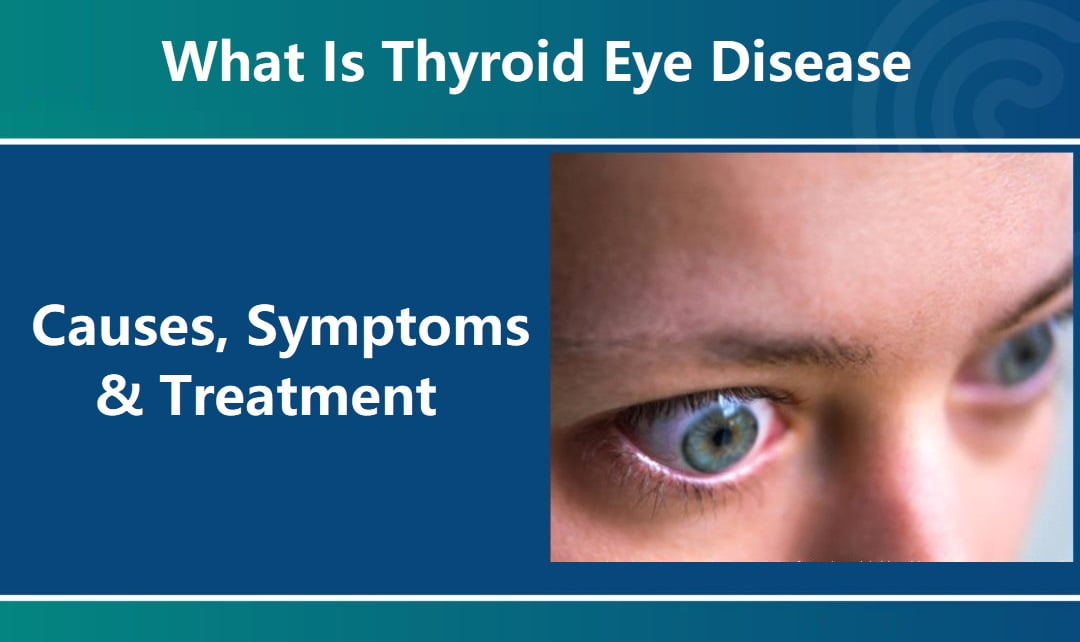
Thyroid eye disease is an inflammatory condition that affects the tissues around the eyes. It often occurs in people with an overactive thyroid, although anyone with a thyroid imbalance can experience it. This guide walks you through the causes, symptoms, diagnosis, and treatment options in simple, clear language. You will also learn when to seek medical care and how to manage daily life with this condition.
Disclaimer: This article is for educational purposes only. It is not a substitute for professional medical advice, diagnosis, or treatment. Always speak with a qualified healthcare provider regarding concerns about your health.
What is Thyroid Eye Disease
Thyroid eye disease is an autoimmune condition where the immune system begins attacking the muscles and soft tissues around the eyes. This causes swelswellingirritaton and changes in appearance. Some people also experience pressure or discomfort because the tissues behind the eyes enlarge and affect how the eyes sit and move.
Although this condition is strongly linked to an overactive thyroid, it is really an immune system issue. That is why you might see symptoms appear even when thyroid levels are normal. The timing and severity can vary from person to person, which makes it a challenging condition to manage.
Thyroid eye disease can range from mild to severe, and in some cases can threaten vision. While Graves’ disease is one of the most common causes of hyperthyroidism, thyroid eye disease only affects an estimated 25-50% of people with Graves’ hyperthyroidism.
Understanding the causes, symptoms, diagnosis, and treatment options for thyroid eye disease is important for managing this condition. Research continues to yield improved therapies that can halt disease progression and alleviate symptoms.
What Causes Thyroid Eye Disease?
Thyroid eye disease is believed to occur when the immune system mistakes eye tissue for thyroid tissue and launches an attack. Exactly what triggers this autoimmune response is still not fully understood. However, certain factors are believed to play a role:
- Graves’ disease– The autoimmune disorder and most common cause of hyperthyroidism is responsible for the majority of thyroid eye disease cases. People may develop eye symptoms before, during, or after being diagnosed with Graves’ hyperthyroidism.
- Genetics– Some people may have genes that make them more susceptible to thyroid eye disease. While it’s rare for the disease to run in families, having a relative with Graves’ disease does increase risk.
- Smoking– Smoking cigarettes is a major risk factor for developing thyroid eye disease and can worsen symptoms. Studies show smokers are up to 7 to 8 times more likely to develop TED.
- Radioiodine treatment– Radioiodine ablation treatment for Graves’ disease has been linked to worsening or new onset of thyroid eye disease. However, this is less common with lower doses of radioiodine.
- Thyroid dysfunction– Having abnormal thyroid hormone levels, as seen in Graves’ disease, Hashimoto’s thyroiditis, and thyroid cancer, may increase the risk for thyroid eye disease. But people with normal thyroid function can also develop TED.
While the exact triggers are unknown, it’s believed that these factors provoke the immune system to mistakenly target eye muscles and surrounding supportive tissue. This leads to inflammation and swelling that can have profound effects on eye structure and function.
Symptoms of Thyroid Eye Disease
Symptoms of thyroid eye disease can vary from mild to severe. In some people, the condition progresses steadily over time. In others, symptoms may come and go or remain stable. Treatments aim to halt progression and provide relief from symptoms.
Common signs and symptoms of thyroid eye disease include:
- Dry, irritated, gritty, red, or watery eyes– Due to inflammation and insufficient tear production
- Excess tears– Another response to eye irritation
- Light sensitivity– Response to eye irritation and inflammation
- Eye bulging(proptosis) – Due to tissue swelling behind the eye
- Retraction of the upper eyelid– Making the white of the eye above the iris visible, often described as a “stare.”
- Double vision(diplopia) – Impaired eye muscle movement due to swelling
- Blurry vision
- Redness of the eyes or eyelids
- Swelling or inflammation of the tissues around the eyes
- Aching or pressure sensation behind the eyes
- Difficulty moving the eyes– Due to restricted eye muscle movement
Symptoms typically start in one eye but often progress to both eyes. The severity of symptoms and rate of progression vary greatly. Mild cases may have symptoms like redness, irritated eyes, or minor bulging that comes and goes. More advanced cases can have severe inflammation, swelling, and bulging that keep progressing.
Anyone experiencing these eye-related symptoms should see an ophthalmologist or eye doctor for evaluation. Catching thyroid eye disease early is important for protecting vision and optimizing treatment outcomes.
Diagnosing Thyroid Eye Disease
An eye exam by an ophthalmologist is needed to diagnose thyroid eye disease. The doctor will evaluate symptoms and perform tests to assess the degree of impairment to structures surrounding the eyes.
Common diagnostic tests include:
- Vision testing– Checks sharpness of vision, depth perception, eye muscle coordination, and color vision.
- Eye exam– The doctor will examine eye structure and function using a slit lamp microscope. This allows close evaluation of swelling, bulging, inflammation, and eye muscle impairment.
- Eye movement examination– Checks the function of eye muscles and the degree of impairment.
- Dilated eye exam– Drops are placed in the eyes to dilate pupils, allowing examination of the optic nerve and retina.
- Optical coherence tomography (OCT)– This non-invasive imaging test can reveal swelling of tissues behind the eye.
- CT or MRI scan– Cross-sectional imaging of the orbits can reveal the extent of tissue swelling, inflammation, and possible compression of the optic nerve.
Based on the degree of swelling and impairment, thyroid eye disease will be classified as mild, moderate-to-severe, or sight-threatening:
- Mild– Minor lid retraction, mild soft tissue involvement, gritty feeling, redness
- Moderate-to-severe– Moderate-to-severe lid retraction, swelling, bulging eyes, double vision
- Sight-threatening– Severe swelling and bulging, high pressure in the eye, optic nerve compression
After confirming a thyroid eye disease diagnosis, the ophthalmologist will collaborate with your endocrinologist to manage the condition and coordinate treatment. Ongoing eye exams are needed to monitor disease progression and response to treatment.
Treatment Options for Thyroid Eye Disease
Treatment for thyroid eye disease aims to protect eye health and vision while alleviating symptoms. A tailored treatment approach is based on disease severity, rate of progression, and degree of impairment.
Mild cases may be managed with lubricating eyedrops, eyelid hygiene, and sunglasses. More severe cases require additional therapies to stop disease progression and manage symptoms.
Common treatment approaches include:
Medications
- Corticosteroid eyedrops or injections– Potent anti-inflammatory effects to reduce swelling and bulging. Oral steroids may also be used short-term for active TED.
- Immunosuppressants– Medications like cyclosporine that modify the immune system’s attack on eye tissues.
- Biologic drugs– Newer injectable biologics like teprotumumab (Tepezza) target specific disease pathways involved in TED. Clinical trials have shown promising results in reducing eye bulging and reversing damage.
Supportive Treatments
- Lubricating eyedrops– Relieve dryness and irritation. Preservative-free formulations are best.
- Prism lenses– Lenses with a prism can compensate for double vision due to impaired eye muscle movement.
- Moisture chambers– Eye shields worn at night help protect eyes and retain moisture.
- Elevating the head of the bed– Keeps the head raised at night to reduce swelling.
Surgery
If supportive treatments and medications are insufficient to protect vision or quality of life, surgical intervention may be warranted.
- Orbital decompression– Surgery to remove orbital tissue/bone to expand space for the swollen tissue and relieve pressure on the optic nerve.
- Eyelid surgery– Can correct lid retraction or malposition related to tissue/muscle swelling and scarring.
- Eye muscle surgery– Strabismus surgery can realign eye muscles and correct double vision.
The risks and benefits of medications, supportive treatments, and surgical options must be carefully weighed for each individual. Treatment aims are to quell inflammation during the active phase of TED, correct any vision changes, and reconstruct normal eyelids and eye positions.
FAQs
Q. What is the difference between Graves’ disease and thyroid eye disease?
Graves’ disease is an autoimmune disorder and the most common cause of hyperthyroidism. An estimated 25-50% of people with Graves’ disease will also get thyroid eye disease. They are closely related but have separate conditions. TED can also occur in people with normal thyroid function.
Q. Can thyroid eye disease be mild?
Yes, many people have mild thyroid eye disease. Symptoms involve some eye irritation, grittiness or redness, and minor swelling. Mild cases may come and go on their own or remain stable over months or years without affecting vision.
Q. How fast does thyroid eye disease progress?
Progression varies greatly. Symptoms may come on suddenly and worsen over weeks to months. In other cases, they develop gradually over months to years. Periods of stability can alternate with flares of disease activity. On average, the active phase when inflammation and symptoms worsen lasts about 1-3 years.
Q. Does thyroid eye disease go away?
In many people, the active inflammatory phase will eventually quiet down on its own. However, some residual swelling, scarring, and eye changes often remain and require ongoing management. Severe cases may cause lasting impairment.
Can thyroid eye disease be prevented?
There are no definitive ways to prevent thyroid eye disease, but the following measures may help lower risk:
- Giving up smoking and avoiding secondhand smoke exposure
- Maintaining normal thyroid levels through proper medication dosing
- Choosing radioactive iodine doses ≤10 mCi if radioiodine treatment is required for hyperthyroidism
- Promptly treating thyroid dysfunction
- Managing other autoimmune conditions, like diabetes
Q. What is vision-threatening thyroid eye disease?
This is the most severe form, where significant swelling and bulging exert pressure on the optic nerve that can threaten vision. Symptoms include:
- Sudden onset of pain, pressure sensation behind the eyes
- Marked protrusion of the eyes
- Swelling and inflammation of the conjunctiva
- Reduced visual acuity
- Changes in color vision
- Significantly impaired eye movement, double vision
- Compression of the optic nerve
Urgent treatment is needed to protect vision in cases of sight-threatening TED.
Conclusion
Thyroid eye disease is an inflammatory autoimmune condition that can affect eye health and vision. While troubling, symptoms often resolve over time, especially with proper treatment. Close monitoring by an ophthalmologist and endocrinologist allows early intervention if more aggressive treatment is needed.
Controlling inflammation and swelling can help restore normal eye anatomy and function. Newer therapies like targeted biologic medications show promise for improved outcomes. With a thorough evaluation and tailored management approach, most people with thyroid eye disease can achieve good visual results and preservation of sight.